
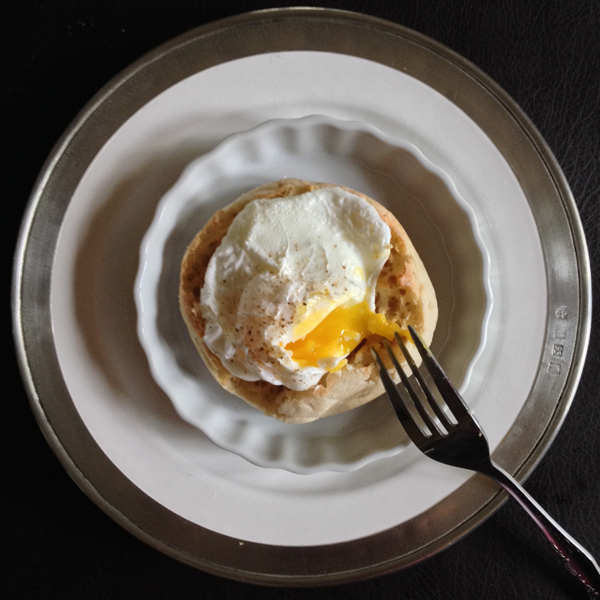
I’ve got a new obsession, and it is perfecting the soft-cooked egg. Recipes with bright, sunny yolks beckon me — noodle bowls, breakfasts, tagines, you name it. Top just about anything with a soft-cooked egg and I’m interested.
They require a knack for timing. Too little time, and you have undercooked whites. Too long, and the yolk hardens. The goal is that magical middle ground: whites that are completely cooked, with a silky yolk that spills out in golden decadence when you break into it.
This is the number one trick I’ve learned: use the timer. A loud one.
I wasn’t raised with soft-cooked eggs. In fact, I only ate scrambled eggs until a couple years ago. I was so picky as a kid that I would only eat scrambled eggs prepared by my Tata or Baba! (Much to the irritation of every other adult who ever served me eggs.) But that’s another story.
I’ve since discovered that different soft-cooked eggs serve different purposes. Soft-boiled eggs are beautiful when presentation matters, though peeling them can be a little tricky. When the goal is to smash the egg into the rest of the dish, a poached egg is often the better bet. Soft-baked eggs are forgiving when you need a little extra time to get everything else ready. And sunny-side up? That’s what I want when there’s toast on the plate waiting to be dipped.
Fresh eggs matter, too. Really, nothing beats a farm-fresh egg. I love opening a carton and seeing different colors from different breeds of chickens. Fresh eggs tend to have firmer whites, and there’s something especially wonderful about that bright yolk. Eggs are one food where I’ll gladly spend a little more to support hens that are well cared for.
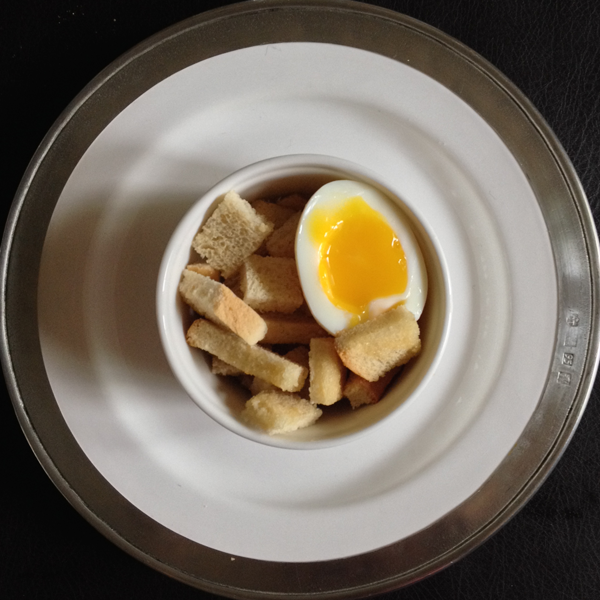
Soft-Boiled Eggs
Goal: Perfectly shaped egg, runny yolk
Bring a pot of water to a rolling boil. Have a bowl of ice water ready to go.
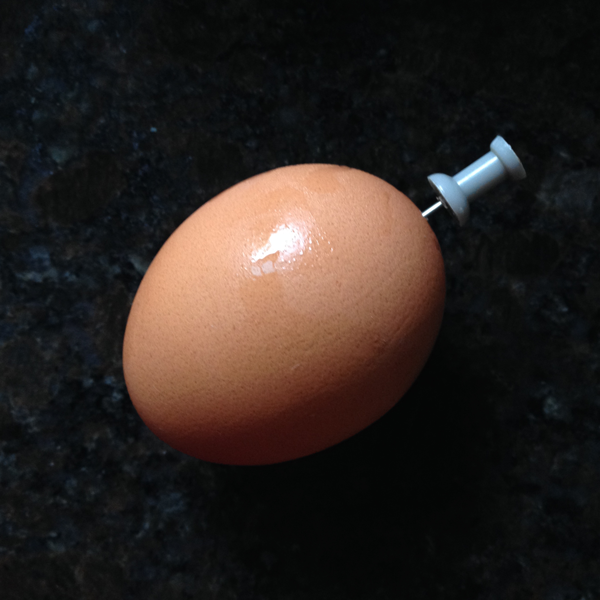
For a rounder finished egg
The air pocket at the wide end of an egg can leave a flat spot after cooking. I prick a tiny hole in the wide end with a clean thumbtack before lowering the egg into the water. This gives the expanding air an escape route, helping the cooked egg fill out into a smoother, rounder shape.
Note: The American Egg Board recommends against piercing eggs before cooking because a nonsterile pin can introduce bacteria and piercing can create tiny cracks in the shell.
Using a pasta scoop or ladle, gently lower the egg into the boiling water. Boil for exactly 6 minutes, then remove it from the pot and place it in the ice bath for about a minute.
Begin tapping the egg gently on the top or bottom first. If you start on the side, the delicate egg can break in half. Continue tapping all the way around until the shell is fragmented into tiny pieces, then peel gently.
Poached Eggs
Goal: Smooth, coagulated whites, runny yolk
Poached eggs are great when the egg doesn’t need to look absolutely perfect — especially when it’s going under a sauce or getting smashed into the rest of the dish.
Fill a wide nonstick pan with about 1½ inches of water and add 2 teaspoons of white vinegar. Bring the water to a gentle simmer. Crack each egg into a small bowl.
Carefully lower each egg into the water, keeping the white as close to the yolk as possible. Simmer for about 5 minutes, then remove with a slotted spoon. Trim away any wispy whites if you’d like a prettier finished egg.
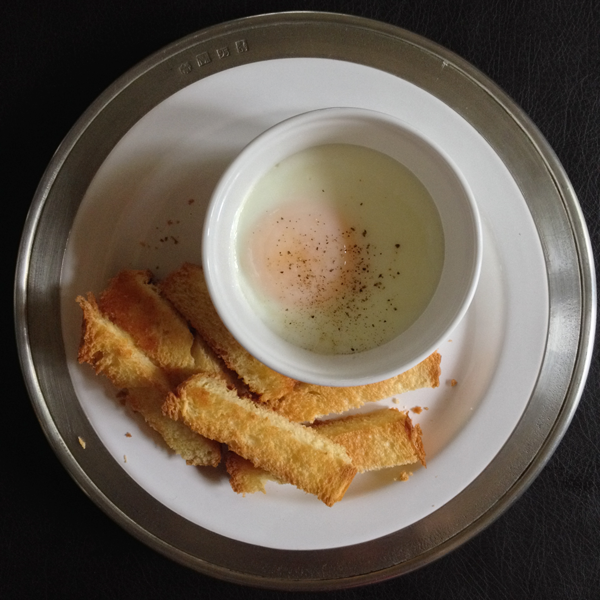
Soft-Baked Eggs
Goal: Whites set, runny yolk
Preheat the oven or toaster oven to 375°F. If you’re baking the eggs by themselves, butter individual ramekins and set them on a baking sheet.
You can also bake the ramekins in a water bath by placing them in a larger baking dish partially filled with hot water. Be careful not to let water splash into the ramekins.
If you’re baking the eggs directly into another prepared dish, make little wells for them to settle into. Crack in the eggs and bake for 12–15 minutes. Keep a close eye on them near the end — the perfect window between set white and runny yolk is a small one.
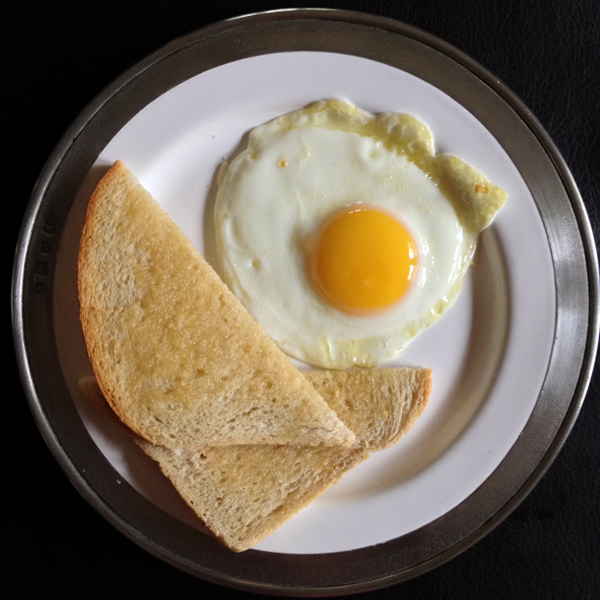
Sunny-Side Up Eggs
Goal: Whites set, no browned edges, runny yolk
Heat a thin layer of oil in a nonstick pan over medium heat. We’re going for a slow cook, so don’t let the pan or oil get smoking hot.
Add the eggs with enough room that they don’t run into each other. Begin spooning a little hot oil over the whites only. After a minute or two, when the whites are no longer clear or jiggly, spoon a little oil over the yolks just to set the surface.
Slide the eggs from the pan onto a paper towel, then transfer them to the plate with a spatula.
NOW, WHAT’S FOR DINNER?
Put a good egg on something delicious.
Homegrown Foods delivers fresh, locally sourced meal kits from our Minneapolis kitchen straight to your door. See what’s cooking over the next few weeks.